Celtic stories

Celtic Mythology, Legendary Women and Music

Celtic mythology is a modern umbrella term for story traditions connected with several Celtic-language cultures. Rose Arcane's current Celtic work includes medieval Irish literary tradition and now begins to open into medieval Welsh material through Blodeuwedd and the Fourth Branch of the Mabinogi.

The surviving material does not form one simple ancient system. Irish texts, broader Celtic-language traditions, medieval manuscripts, later folklore, and modern artistic interpretation are related, but they are not interchangeable.

Published figures

Legendary women now in the collection

These entries are intentionally selective. The hub grows through researched, published pages rather than placeholder profiles.

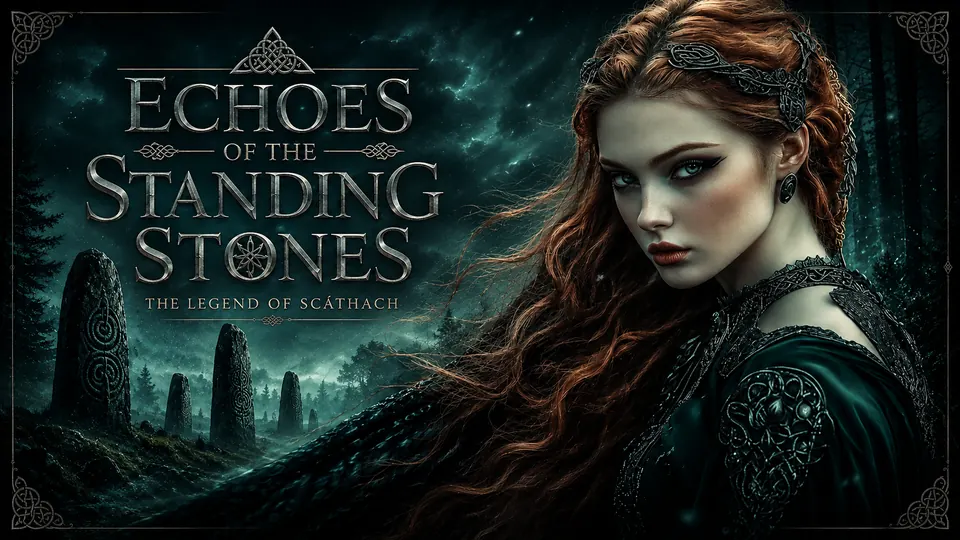
Related album artwork for Echoes of the Standing Stones, shown with the Scáthach story page.

Legendary woman; warrior teacher; Ulster Cycle figure

Scáthach

Scáthach is a legendary warrior teacher in medieval Irish tradition, remembered especially through stories of Cú Chulainn's training, ordeal, and transformation.

The surviving material does not give a single settled biography. Medieval literary episodes, later geographic associations, folklore, and modern reinterpretations should be kept distinct.

Related music: Echoes of the Standing Stones RELEASED

Read Scáthach
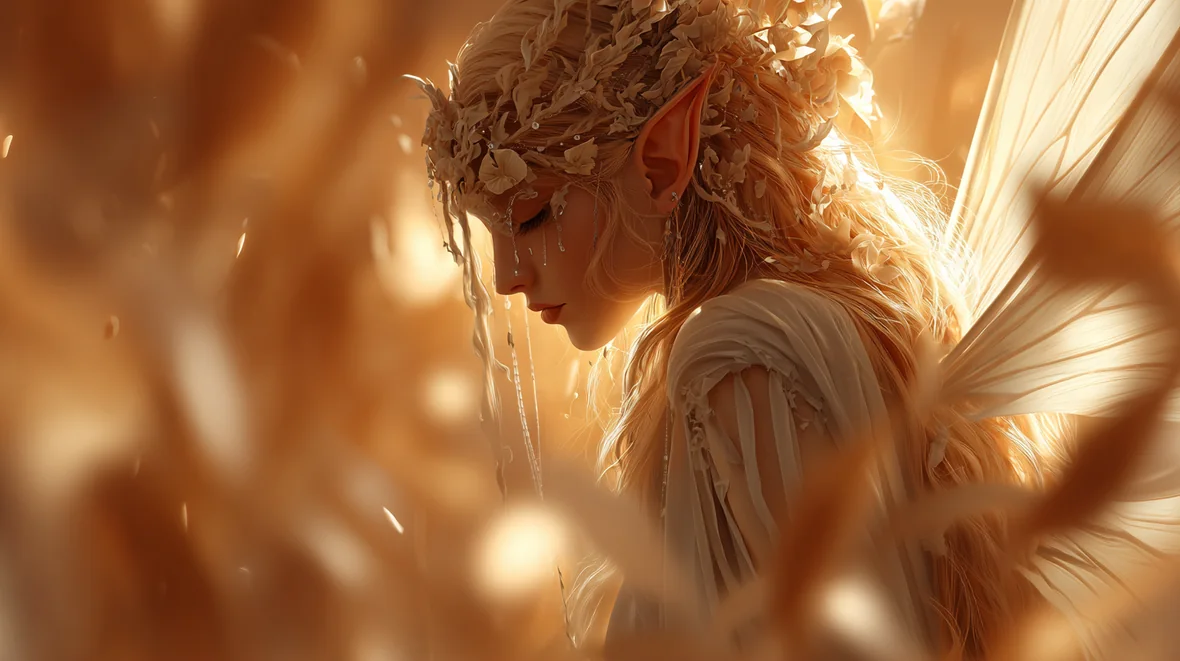
Modern artistic interpretation of Áine as a golden, flower-crowned female figure in warm summer light.

Irish goddess; figure of place-lore and folklore

Áine: Goddess of Sovereignty and Summer

Áine is an Irish goddess associated with Cnoc Áine, sovereignty, prosperity, summer, sexuality, seasonal celebration, and the land in Munster tradition.

Áine can be called an Irish goddess, but her traditions should not be flattened into a generic Celtic sun-goddess profile. Medieval narrative, place-lore, later folklore, and modern interpretation belong to different source layers.

Related music: Áine: Eternal Light & Ancient Flame RELEASED

Read Áine: Goddess of Sovereignty and Summer
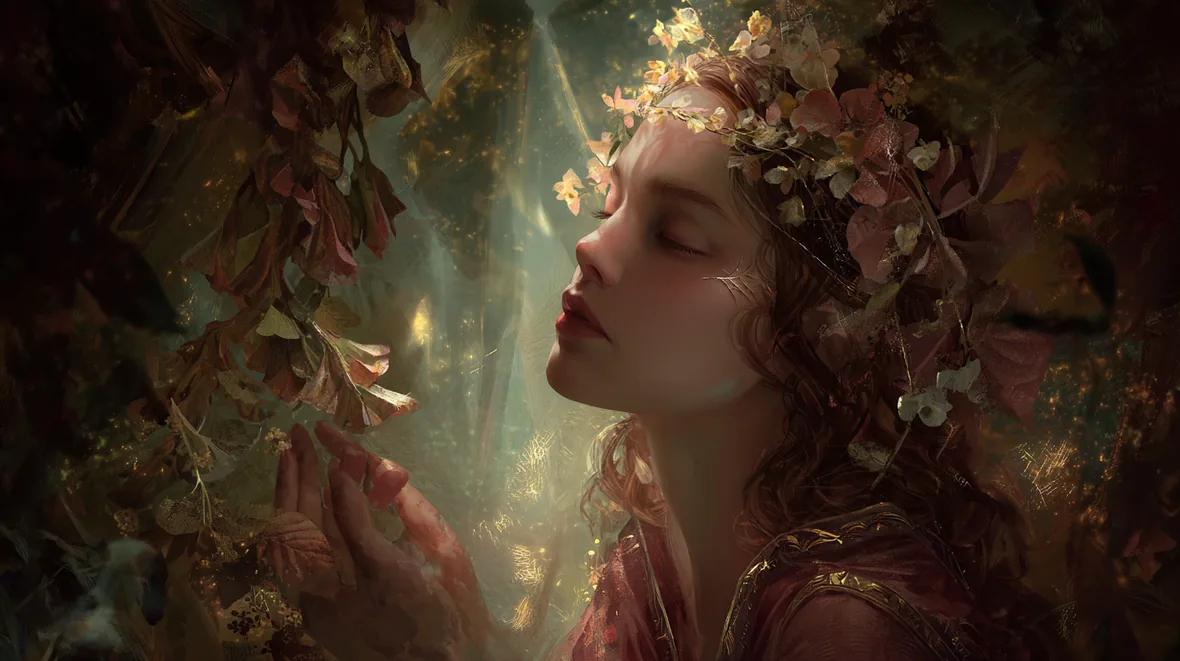
Modern artistic interpretation of Blodeuwedd as a flower-crowned woman in woodland light.

Welsh mythic woman; literary figure of the Mabinogi

Blodeuwedd: The Woman Made of Flowers

Blodeuwedd is the woman made from flowers in Math fab Mathonwy, the Fourth Branch of the Mabinogi, where her story moves through marriage, desire, betrayal, punishment, and transformation into an owl.

Later goddess and symbolic readings are important to modern reception, but they should be distinguished from what the medieval Welsh narrative explicitly presents.

Related music: Blodeuwedd: The Flower and the Owl RELEASED

Read Blodeuwedd: The Woman Made of Flowers
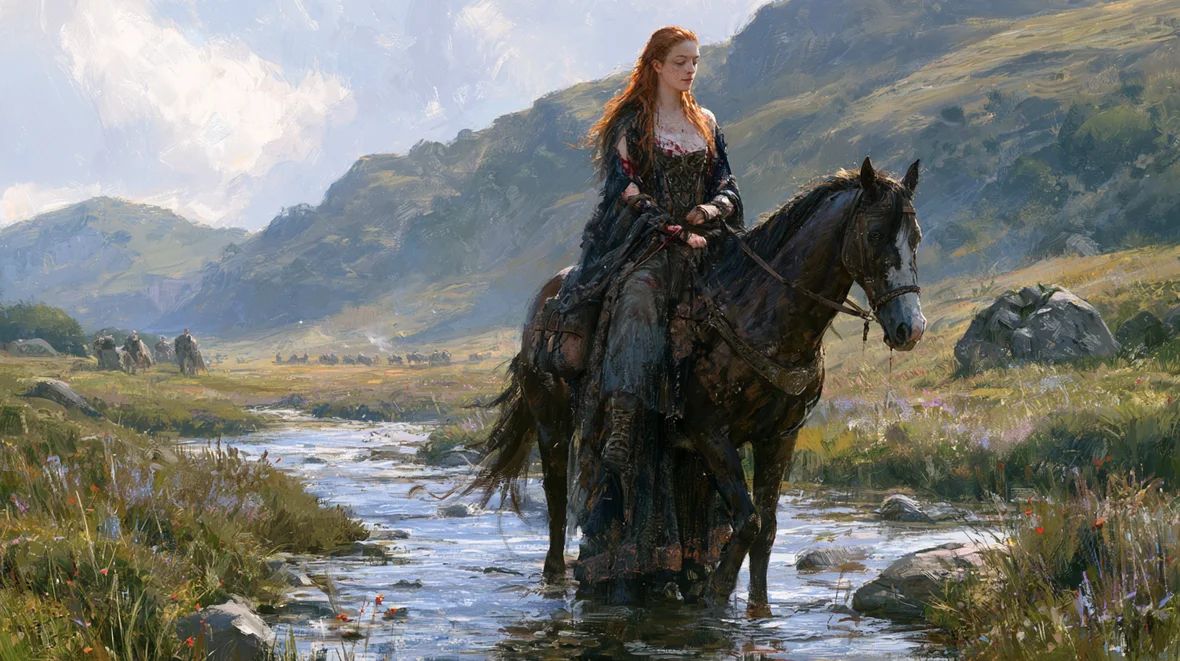
Modern artistic depiction of Macha as a mounted figure in an open Irish landscape.

Mythological figure; sovereignty figure; Ulster Cycle figure

Macha

Macha is not one simple biography but a name moving across Irish legendary tradition, where it is linked with sovereignty, Emain Macha, horses, war, motherhood, humiliation, and place-name lore.

The surviving material gives several Macha traditions that overlap in theme but should not automatically be treated as one identical individual or one fixed goddess profile.

Related music: The Red Mare of Emain RELEASED

Read Macha

Key themes

A map for future reading

These are guideposts for the collection, not links to unpublished pages.

Legendary Women and Warrior Teachers

Some Irish stories place women at thresholds of training, authority, danger, and transformation. Scáthach is the current published warrior-teacher example in this collection.

Goddesses, Sovereignty and Source Context

Irish and Welsh materials can both sit inside Celtic mythology, but each figure needs her own regional, linguistic, and textual setting.

Horses, Kingship and Transformation

Macha brings horses, public ordeal, sovereignty, childbirth, and place-name tradition into a layered Irish narrative world.

Welsh Literature and the Mabinogi

Blodeuwedd brings the Fourth Branch of the Mabinogi into the collection: a Welsh story of flowers, marriage, desire, punishment, and transformation.

The Ulster Cycle

The Ulster Cycle gathers heroic narratives around Ulster, Emain Macha, Cú Chulainn, and related figures. Rose Arcane treats it as medieval literary tradition, not a single fixed history.

Mythology Reimagined Through Music

Great Bear Music responds to old stories through original modern composition while keeping artistic interpretation separate from source explanation.
Goddesses and sovereignty figures

Why "Celtic goddess" needs careful handling

The phrase Celtic goddesses can be useful for discovery, but it can also flatten distinct regions, languages, texts, and periods. A figure in medieval Irish literature should not automatically be treated as the same kind of figure as one from Welsh narrative, later Scottish folklore, or a modern symbolic system.

Rose Arcane treats each figure separately. Macha keeps multiple Irish traditions visible rather than compressing them into one simplified profile. Blodeuwedd is handled through the Fourth Branch of the Mabinogi before later goddess interpretation is discussed.

Explore Celtic GoddessesRead Macha

Women warriors and legendary women

Warrior teachers, rulers, queens and threshold figures

Women in Celtic mythology and Irish mythology appear in many roles: teachers of martial knowledge, rulers, sovereignty figures, queens, challengers, mothers, and figures of ordeal. The collection does not treat all of these as one archetype.

Scáthach is the current published warrior-teacher example. Her page links her to the Ulster Cycle and to the training of Cú Chulainn, while keeping later folklore and modern reinvention distinct from the medieval literary evidence.

Explore Women Warriors in Celtic MythologyRead Scáthach

Celtic mythology music

Great Bear Music and modern interpretation

Great Bear Music creates original work inspired by mythological and literary traditions. It is modern artistic interpretation, not a reconstruction of ancient Celtic music.

Explore Great Bear Music

Sources and interpretation

How Rose Arcane handles old stories

Source-supported material, scholarly uncertainty, later folklore, and Rose Arcane's modern artistic work are kept in separate lanes. The figure pages include visible source lists so readers can see where the page is leaning on medieval texts, institutional references, or later cultural context.

This hub uses institutional and scholarly reference points for broad terminology, then directs readers to the published figure pages for deeper source notes.